
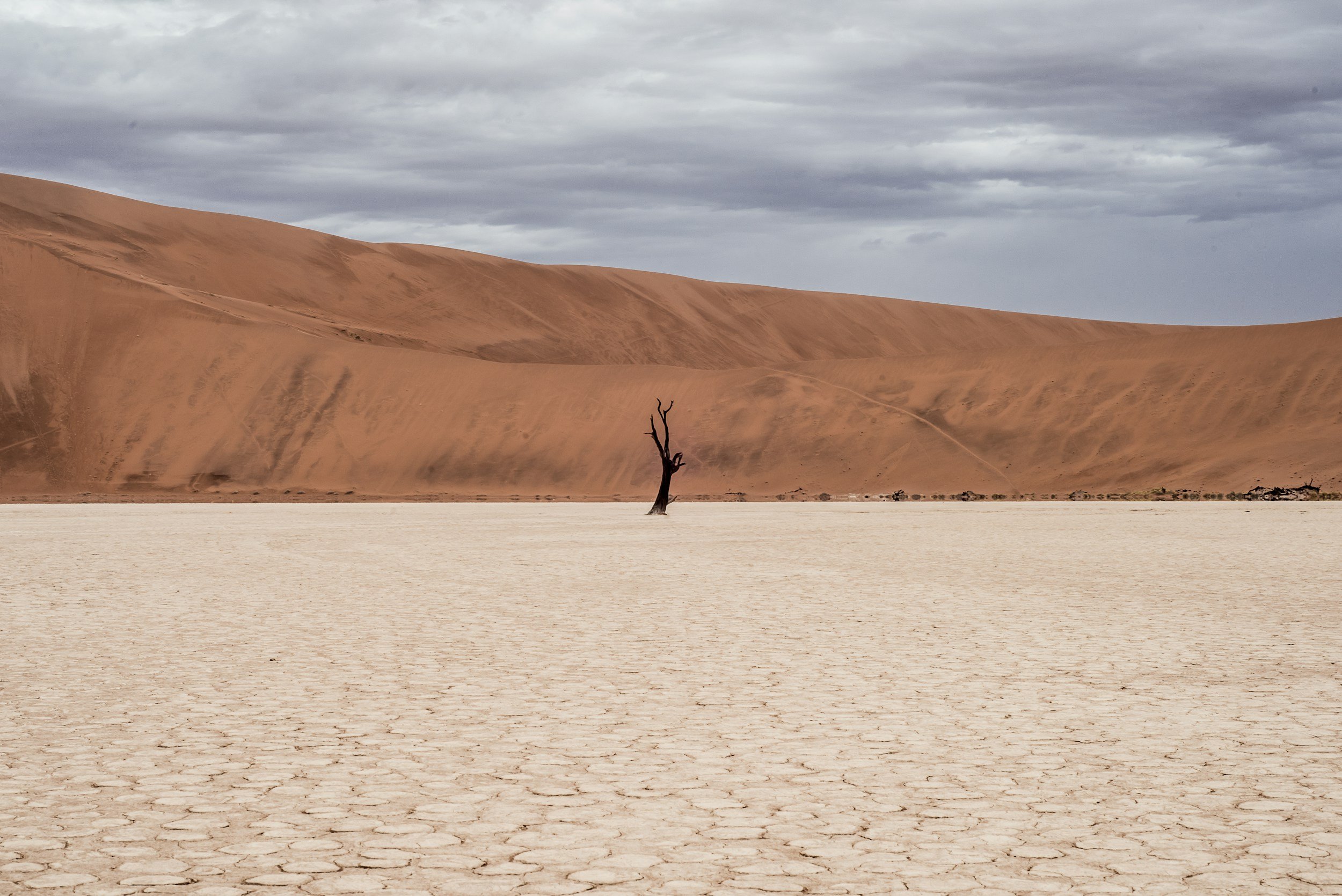
EXODUS: LEARNING TO LIVE FREE
This fall, we're going to spend roughly three months walking through the story of Exodus together.
And the big idea underneath the series is freedom as discipleship.
Exodus is obviously a story about God setting slaves free. But one of the fascinating things about the book is that getting Israel out of Egypt is only the first part of the story.
God gets them out of Egypt relatively quickly.
Then He spends the rest of Exodus teaching them how to live like free people.
That's really the discipleship journey we're inviting our whole church into this fall:
God doesn't only want to get us out of slavery.
He wants to get slavery out of us.
We can be genuinely rescued by Jesus and still carry Egypt around inside us—old masters, identities, fears, addictions, scarcity, anxiety, control, patterns of relationship, ways of working, ways of thinking about God.
So Exodus gives us this incredible picture of the Christian life:
God rescues us.
God reveals Himself to us.
God breaks our old masters.
God teaches us to trust Him.
God forms us into a new kind of people.
And ultimately, God comes to dwell among us.
That's the journey we're taking together.
THE FALL SERMON ARC
The current schedule looks roughly like this:
SEPTEMBER 6 — THE MASTERS WE SERVE
Exodus 1; 2:5–14
Israel is enslaved to Pharaoh before they even know what freedom could look like.
Discipleship question:
What has a hold on me?
What are the Pharaohs and masters that actually shape our lives? What promises freedom but ultimately enslaves us?
SEPTEMBER 13 — THE GOD WHO CALLS
Exodus 3:1–14
Before Moses can lead anyone anywhere, he encounters the living God at the burning bush.
God doesn't merely give Moses information. He reveals His name and calls Moses into relationship and vocation.
Discipleship question:
Can I really know God?
Christianity isn't primarily a system for becoming a better person. It begins with encountering the God who says, I AM.
SEPTEMBER 20 — WHO REALLY RULES?
Exodus 5:1–9; 7–10
Moses confronts Pharaoh, and what follows is essentially a contest over allegiance:
Who is actually Lord?
Pharaoh says, "Who is the LORD that I should obey him?"
That question still sits underneath our lives.
Discipleship question:
Who or what actually rules me?
Freedom isn't having no master. It's being liberated from false masters so that we can belong to the One we were made for.
SEPTEMBER 27 — GUEST SPEAKER
OCTOBER 4 — THE WAY OUT
Exodus 12:1–13 — Passover
Israel doesn't rescue itself. Deliverance comes through God's action and the blood of the lamb.
This is one of the clearest places where Exodus opens toward Jesus and the gospel.
Discipleship question:
Who can rescue me?
Christian freedom begins with grace. We don't achieve our Exodus. We receive it.
OCTOBER 11 — OUT OF EGYPT
Exodus 14:10–14, 21–31 — The Sea
Israel is finally leaving Egypt—but when Pharaoh comes after them, they immediately want to go back.
That's one of the great paradoxes of discipleship:
We can be free and still want our slavery back.
Discipleship question:
Why do I keep going back?
What do we do when the old life feels safer than trusting God into something new?
OCTOBER 18 — LEARNING TO LIVE FREE
Exodus 16–17 / Exodus 17:1–7
Now comes wilderness.
Physical liberation can happen in a moment. Formation into freedom takes time.
Israel has to learn dependence, trust, provision, obedience and a completely different way of living.
Manna, Sabbath, hunger, thirst and wilderness aren't interruptions to their formation.
They are the formation.
Discipleship question:
How do free people learn to live free?
This is where practices become incredibly important. God gives His people new rhythms because Pharaoh's rhythms are still inside them.
OCTOBER 25 — GUEST SPEAKER
NOVEMBER 1 — FREE TOGETHER
Exodus 19:1–6
God didn't merely rescue a collection of individuals.
He rescued a people.
A kingdom of priests. A holy nation.
Freedom therefore isn't merely, "Jesus set me free so I can live my own life."
We're freed from slavery, into a people, for the sake of the world.
Discipleship question:
Who am I becoming—and who am I becoming with?
This is one of the deepest reasons Community Groups matter. Formation isn't an individual project.
NOVEMBER 8 — IF YOU DON'T GO WITH US
Exodus 33:1–3, 12–16
After everything Israel has received, Moses essentially tells God:
The Promised Land without Your presence isn't enough.
The ultimate gift isn't freedom, success, blessing, land or even purpose.
The ultimate gift is God Himself.
Discipleship question:
What am I actually seeking from God—His gifts or God Himself?
NOVEMBER 15 — GLORY COMES DOWN
Exodus 40 / culmination of the tabernacle story
And this is where the whole book has been heading.
Exodus begins with God's people enslaved under Pharaoh.
It ends with the glory of God dwelling among His people.
Freedom has a destination.
We're not merely freed from something.
We're freed for life with God.
That's ultimately where Jesus takes the Exodus story: God comes to dwell with humanity and makes a way for us to live in His presence.
THE DEEPER DISCIPLESHIP MAP
Underneath the individual sermons are some of the deepest questions we're trying to help people answer:
STORY — What story am I living in?
Who gets to tell me what reality is?
SALVATION — Who can rescue me?
Can I actually save myself?
RELATIONSHIP — Can I really know God?
Is God an idea, or can I live in relationship with Him?
FORMATION — How am I actually changed?
What practices, relationships and experiences are forming me?
FREEDOM — What has a hold on me?
What masters am I serving, and what does genuine freedom look like?
PURPOSE — What am I free for?
God doesn't merely rescue Israel from something. He gives them a vocation in the world.
COMMUNITY — Who are my people?
God doesn't form isolated disciples. He forms a people.
Exodus lets us explore almost the entire discipleship journey through one biblical story.
WHAT DOES THIS MEAN FOR COMMUNITY GROUPS?
This is the piece we especially want you as leaders to understand.
Your job isn't to teach the sermon again.
And the Community Group Guide isn't a worksheet that you need to finish.
Sunday gives us the shared story and imagination.
Community Groups are one of the primary places where we ask:
What would it actually look like for this story to become our story?
We're trying to create formation environments, not merely sermon-discussion groups.
That means some weeks we may talk directly about Sunday's passage.
Other weeks the guide may lead us into:
WORD — listening to Scripture together and allowing God to name what's true.
SPIRIT — prayer, listening, receiving ministry and encountering God together.
WAY — actually practicing the way of Jesus and choosing concrete obedience.
And all of that happens together.
So please don't feel pressure to get through every question.
If question two suddenly opens up something real in someone's life, stay there.
If people need prayer, pray.
If the Spirit seems to be doing something, make room.
If the practice for the evening feels particularly important, spend time actually doing it rather than merely talking about it.
And keep asking:
Where is Jesus inviting us into greater freedom?
Because by December, the win isn't that everyone in our church knows more facts about Exodus.
The win is that we've spent a fall allowing God to use this ancient story to expose our Pharaohs, deepen our trust, reshape our habits, form us into a people, and teach us to live more fully in the freedom Jesus has already won for us.